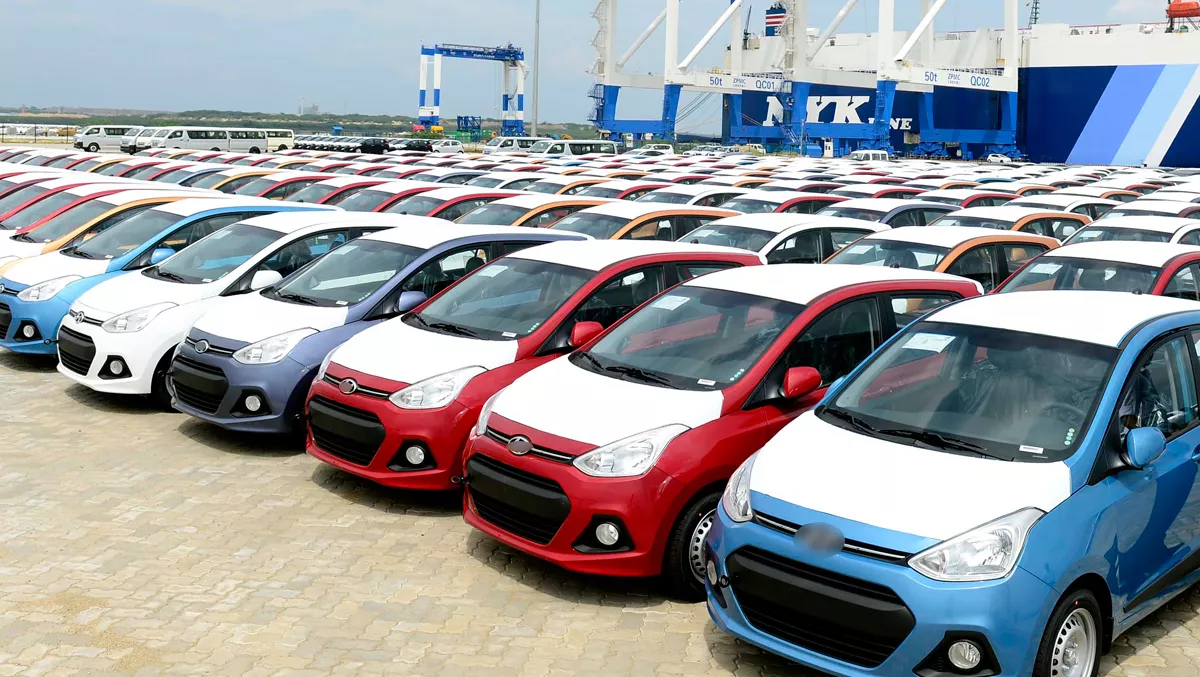
The Motor vehicle imports generated a massive Rs. 896.4 billion in customs taxes, highlighting the sector’s importance to government finances, the Ceylon Chamber of Commerce Motor Vehicle Industry Report 2025/26 said.
The report further states with over 15 local vehicle assembly plants and policies mandating at least 20% domestic content, the industry is steadily shifting from pure imports to local value creation and job generation. More than 327,000 new vehicles were registered in just six months of 2026, signaling strong consumer demand and market recovery. One in four new cars sold globally is now electric, with EV sales surpassing 20 million units for the first time. From onboard safety systems to virtual vehicle testing, artificial intelligence is cutting development times by up to 50% while improving efficiency and innovation.
The report which examines the challenges and opportunities facing the industry as it adapts to a renewed import environment, changing consumer preferences, technological developments and an evolving regulatory landscape. The publication comes after six years, following the suspension of motor vehicle imports in Sri Lanka.
“The report provides comprehensive insights into industry trends, policy developments, market data and the future outlook for Sri Lanka’s automotive sector,” the chamber said.
The report brings together industry data, market intelligence and policy analysis to support informed decision-making. It covers topics including the economic contribution of the motor vehicle industry, recent policy developments, global automotive trends and the growing influence of artificial intelligence on the sector. Key areas covered include: Role of the motor vehicle industry in Sri Lanka’s economy, including key policy developments influencing the sector, Global automotive trends and emerging technologies, including the impact of artificial intelligence on the future of mobility, Analysis of vehicle imports, registrations, fleet composition and ownership transfers, market trends across key vehicle segments, including registration patterns by brand, fuel type, cylinder capacity and district, Industry challenges, emerging opportunities and the future outlook for Sri Lanka’s automotive sector.
The publication examines the challenges and opportunities facing the industry as it adapts to a renewed import environment, changing consumer preferences, technological developments and an evolving regulatory landscape.
Source: Daily News